A Complete Guide to Cooking Oils for Indian Kitchens
In Indian kitchens the choice of cooking oil plays a significant role in flavour, texture and daily cooking routines. Because the cuisine is diverse — from tempering spices (tadka) to deep‑frying snacks, sautéing vegetables and preparing rich gravies — it helps to understand what different oils offer. This guide explores several commonly used oils in Indian kitchens, outlines their usage styles, points to factors worth checking when choosing them, and offers guidance on storage and usage.
Why the Choice of Oil Matters
Cooking oils vary in their origin (seed, nut, fruit, kernel), method of extraction (cold‑pressed, refined, semi‑refined), flavour profile, smoke point and suitability for different cooking techniques. For an Indian household, matching the type of oil with the cooking method (e.g., tempering, deep‑frying, sautéing) and dish type (e.g., dals, snacks, curries) can lead to better results in terms of texture and taste.
Furthermore, considering how the oil behaves under repeated heating, how much flavour it imparts, and how it interacts with spices and aromatics helps in selecting the right oil for everyday use or special preparations.
Key Features to Check When Selecting an Oil
Before jumping into the varieties, it helps to know what to look out for when selecting a cooking oil:
- Extraction/Processing Method: Terms like “cold‑pressed,” “virgin,” “unrefined,” or “kachi ghani” usually indicate minimal processing and less chemical or heat treatment.
- Smoke Point: Each oil has a temperature at which it begins to smoke. Choosing an oil whose smoke point aligns with your cooking method helps prevent unwanted flavours or degradation.
- Flavour/Aroma: Some oils have strong distinct aromas (mustard, sesame, coconut) and others are very mild (sunflower, rice bran). Matching flavour intensity with the dish enhances the outcome.
- Packaging & Storage: Opaque or dark‑coloured bottles help protect the oil from light. A cool, dark storage space is preferable. Also check if the oil is sealed well and comes from a recognisable brand or trustworthy source.
- Colour & Clarity: For oils that are liquid at room temperature, clarity (absence of visible sediment) can be a sign of good processing. When solidified (as some tropical oils do) the texture should be uniform.
- Suitability for Use: Identify whether the oil is suited for high heat, for tempering, for shallow frying, for baking or for finishing (drizzling). A versatile oil can cover many uses, but sometimes specific oils work best in particular roles.
Popular Cooking Oils in Indian Kitchens
Mustard Oil
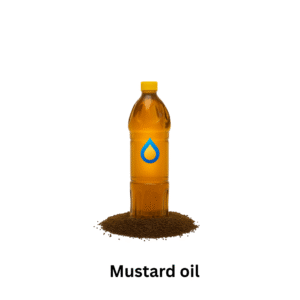
Mustard oil is a traditional favourite in many parts of North and East India. It features a sharp, pungent aroma and bold taste that pairs well with pickles, stir‑fried vegetables and rich gravies. Because of its strong flavour, a little goes a long way; many households use it to impart an edge to food. In terms of technique, mustard oil is often used for tadka (tempering) where whole spices are cracked in hot oil to release flavour.
When selecting mustard oil, look for labels like “kachi ghani” (unrefined) which suggest less refining. Because of its pungency, many cooks heat it lightly before using in cooking, or blend a small amount with a milder oil to moderate flavour.
Coconut Oil
In coastal and southern Indian kitchens, coconut oil is common. It brings a mild coconut aroma and flavour, which suits dishes like tropical curries, snack items, and sweets. There are virgin (unrefined) versions and refined versions; the virgin ones retain more of the natural coconut aroma.
Because of its distinct flavour profile, coconut oil is often chosen when the coconut character is desired — for example in Kerala‑style curries, coconut‑based sweets or when the cook wants that signature coconut touch. It also works well in shallow frying of snack items and in sautéing ingredients where the coconut note complements the dish.
Groundnut (Peanut) Oil
Groundnut (peanut) oil is widely used across Indian households, particularly due to its mild nutty flavour and relatively high tolerance for heat. Its neutral taste makes it a go‑to for everyday sautéing, frying of snack items (like puris, pakoras) and stir‑frying vegetables.
For someone wanting a versatile option that doesn’t drastically alter flavour, groundnut oil is a strong contender. It pairs easily with diversified regional cuisines and dish types. When buying, one may choose the cold‑pressed variety to retain natural aroma, or the refined version if extreme high‑heat deep‑frying is regularly done.
Sunflower Oil
Sunflower oil has risen in popularity for its light flavour and general versatility. It works well for deep‑frying, baking, sautéing and for dishes where you don’t want a strong oil flavour interfering with the spices or other ingredients.
Because of its neutral profile, sunflower oil is also a handy choice for mixed‑use kitchens (where different regional styles converge). Since flavour is understated, it’s suitable for both everyday meals and occasions. Opting for a version with good packaging and storage conditions ensures the oil retains its quality.
Sesame Oil (Til / Ellu)
Sesame oil—especially the unrefined or cold‑pressed version—is common in South Indian, Tamil, Telugu and coastal kitchens (often labelled “ellai ennai” or “til oil”). It brings a nutty, earthy aroma and is typically used for tempering, chutneys, finishing dishes and special recipes.
Since its aroma is stronger than neutral oils but less pungent than mustard oil, sesame oil is often used as a “flavour enhancer” rather than the main frying medium. Many cooks use a little for tadka or sprinkle a small amount just before serving to add depth of flavour.
Ghee (Clarified Butter)
Though technically not an “oil,” this traditional fat is still part of many Indian kitchens. Ghee offers a rich flavour, nutty undertones, and works well for tempering, sautéing, finishing dal, or layering paratha/flatbread. Because of its heritage and flavour impact, many households keep some ghee for special dishes, desserts or when a more indulgent flavour is desired.
When using ghee, one tends to use it in measured amounts given its strong flavour — often as a finishing touch or in recipes where its aroma is central.
Matching Oil to Cooking Methods
Here’s a simple table to align oil choice with cooking technique:
| Cooking Method | Suitable Oils |
|---|---|
| Tempering (Tadka) | Mustard oil, sesame oil, ghee |
| Shallow Frying / Sautéing | Groundnut oil, coconut oil, sunflower oil |
| Deep‑Frying Snacks | Groundnut oil, sunflower oil, refined coconut oil |
| Finishing / Drizzling | Sesame oil, ghee, a small amount of mustard oil |
| Baking / Light Cooking | Sunflower oil, groundnut oil, mild coconut oil |
Blend and Rotate Strategy
Rather than sticking with a single oil for every cooking task, many kitchens benefit from rotating or blending oils. For instance, using one oil for deep‑frying, another for everyday sautéing, and a third for tempering/finishing can help bring variety in flavour and technique. This approach also allows each oil’s character (aroma, taste, smoke behaviour) to be leveraged appropriately.
Blending or alternating oils means you don’t over‑rely on one type of flavour or processing style — this supports culinary flexibility and better flavour layering. For example:
- Use groundnut oil for everyday stir‑fry of vegetables.
- Use mustard oil for pickles or traditional northern dishes.
- Use sesame oil for finishing south Indian meals.
- Use sunflower oil when you want neutral‑flavour base for fusion cooking.
- Keep ghee for occasional indulgent dishes or finishing touches.
Storage & Usage Tips
To ensure your cooking oil performs well and retains taste quality:
- Store oils in a cool, dry, dark place. Avoid direct sunlight and extremes of heat (for example, near stove burners).
- Once opened, ensure the cap is sealed, and use the oil within a reasonable timeframe (check expiry or “best before”). Oils vary in shelf‑life depending on processing and container.
- Avoid repeatedly re‑using oil for deep‑frying without filtering. Reheating an oil many times can impact flavour and behaviour.
- Where possible, use oils appropriate to the dish and cooking temperature rather than defaulting to one type for everything.
- Be mindful of storage containers—dark glass or opaque metal tins tend to be better at protecting oils from light compared to clear plastic bottles.
- If an oil solidifies (some tropical oils can at cooler room temperatures), gently warm to liquify (for example by placing container in warm water) rather than heating aggressively.
Final Thoughts
In the context of an Indian kitchen — where spices, regional traditions, a range of cooking techniques and a variety of ingredients all interplay — choosing the right cooking oil is more than just a “nutritional” choice. It’s a culinary decision: matching flavour, cooking method, selection and storage.